

Sorry, but you do not have permission to view this content.
Topic Archives:
Jander v. IBM – Second Circuit Reinstates Opinion
Sorry, but you do not have permission to view this content.
ERIC Submits Statement to the House Ways and Means Subcommittee on Tax Relief
ERIC submitted a statement for the record and a joint letter on single-employer funding relief to the House Ways and Means Subcommittee on Select Revenue Measures for a hearing titled “Tax Relief to Support Workers and Families during the COVID-19 Recession.”
Lawmakers Have the Responsibility to Help Retirement Security for Americans

ERIC provided testimony to the U.S. House of Representatives Committee on Ways and Means Select Revenue Measures Subcommittee for today’s hearing titled “Tax Relief to Support Workers and Families during the COVID-19 Recession.”
Colorado Enacts Paid Sick Leave Mandate
Sorry, but you do not have permission to view this content.
California Lawmakers Weigh a Range of Paid Leave Proposals
Sorry, but you do not have permission to view this content.
Colorado Legislature Returns to Session Focused on Paid Sick Leave and State Retirement Savings
Sorry, but you do not have permission to view this content.
ERIC Calls on Court of Appeals to Protect Employers’ Ability to Offer Stock Options to Employees

ERIC has filed an amicus brief with the U.S. Court of Appeals for the Second Circuit in Jander v. Retirement Plans Committee of IBM, in support of IBM after the U.S. Supreme Court remanded the case back to the Second Circuit.
Retirement Litigation Update: Jander v. IBM Amicus Brief
Yesterday, ERIC joined the US Chamber, SIFMA and the American Benefits Council in an amicus brief supporting IBM in the Second Circuit. As you may recall, we previously filed in this case in support of IBM’s petition for certiorari and at the merits stage in the Supreme Court.
U.S. Supreme Court Decision Protects the Future of Retirement Plans
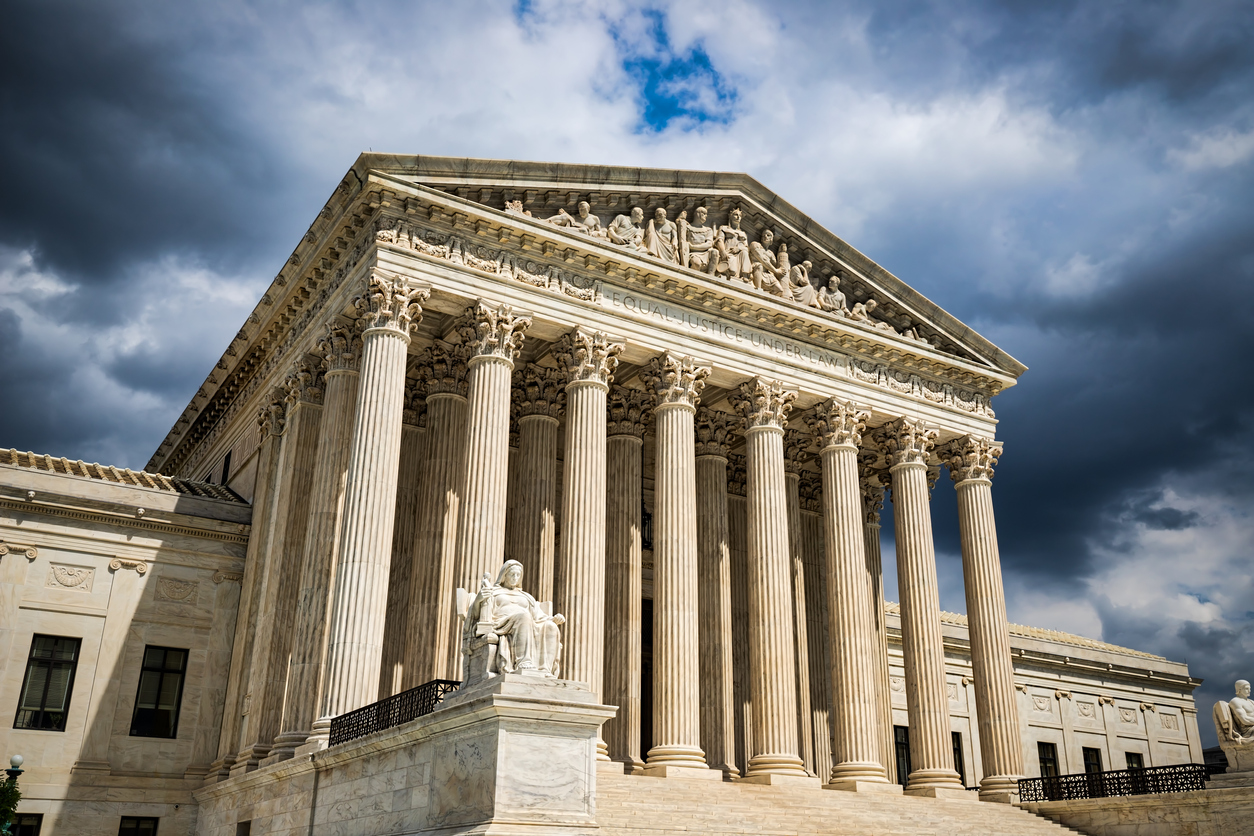
ERIC is pleased the U.S. Supreme Court ruled in favor of U.S. Bank in James J. Thole v. U.S. Bank N.A. holding that the plaintiffs lacked standing since they would receive the same benefits whether they won or lost.